
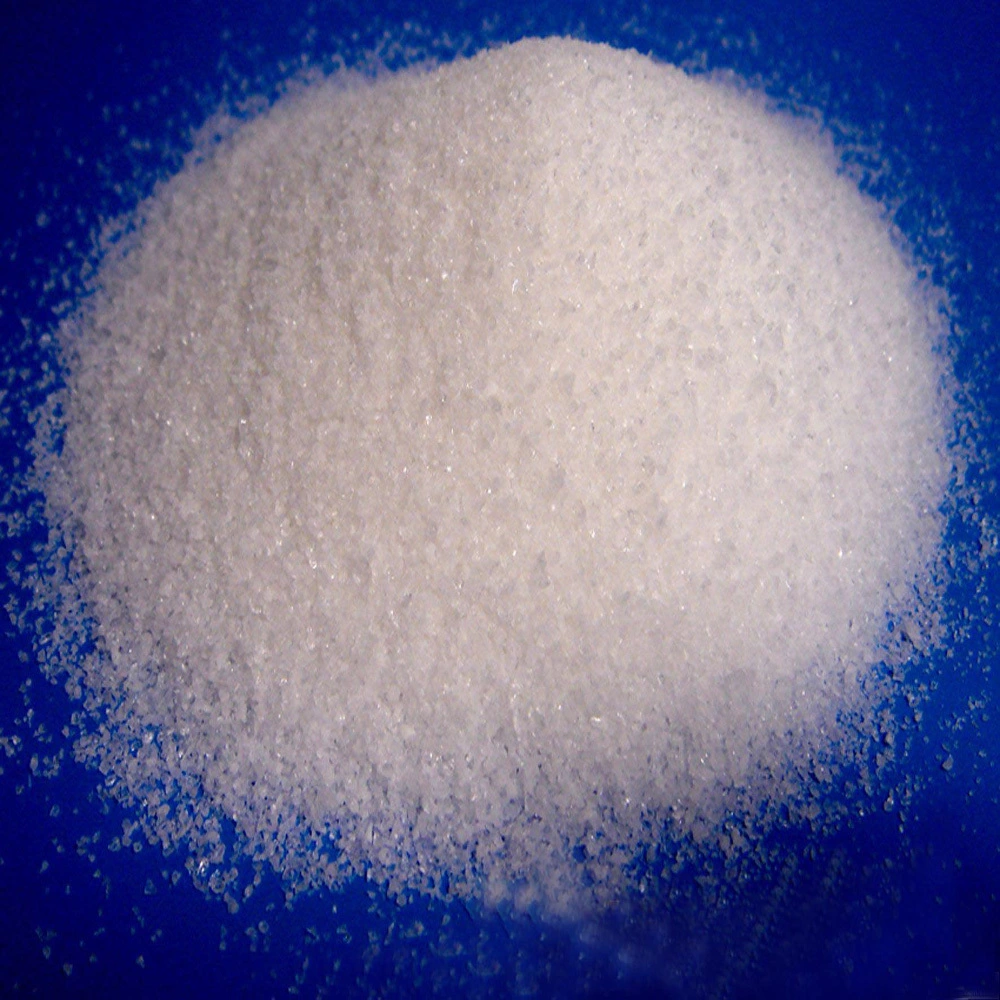
SHN-C1492 Cationic Polyacrylamide For Sludge Dewatering
Professional-grade cationic polyacrylamide designed for industry sludge dewatering. Reliable polyacrylamide manufacturer offering high-weight flocculant.
View productShortlisting water treatment polymer manufacturers usually means comparing four to eight vendors whose paperwork looks almost identical. This scorecard gives you the questions, the sample protocol and the landed-cost checks that separate an own-plant producer from a repacker, and it applies exactly the same tests to polyacrylamide suppliers who answer quickly but publish very little.
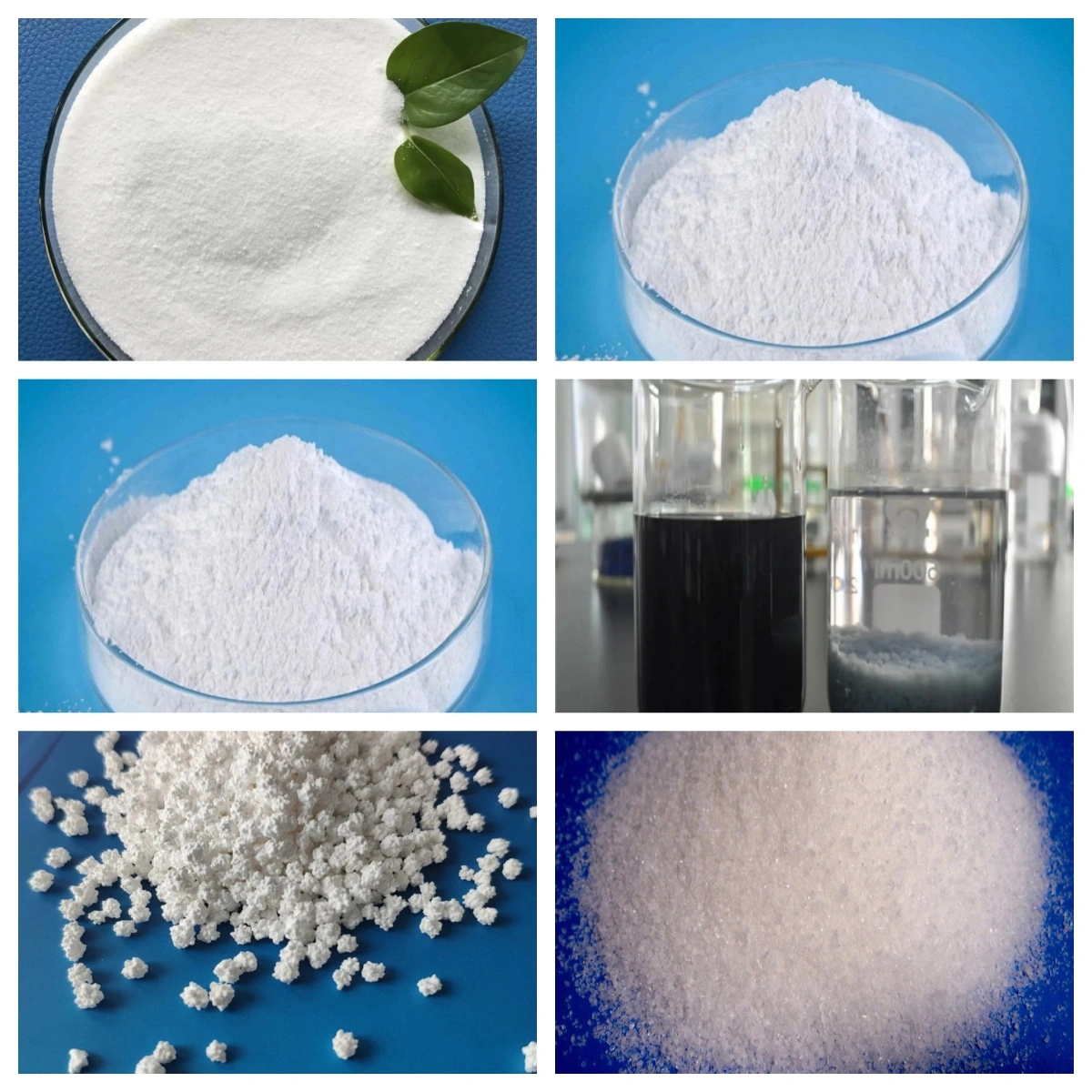
A vetting framework you can run on us — or on any other vendor. Pick the question you are actually holding right now.
Five verification steps that tell an own-plant producer apart from a trading desk or a repacker.
Start with verification →Match the duty — dyeing, aquaculture, sludge dewatering — to a viscosity grade before you ask anyone for prices.
Compare grades →Take a white-powder sample through a five-step jar test before you commit to a container load.
Run the protocol →The word "manufacturer" is used loosely in this category. These five checks are actions you perform, not claims you accept.
Ask for the licence document, not a website badge. A production scope and a trade scope are written differently, and the difference tells you who is actually making the polymer.
What to ask: "Send your business licence and the product line you produce yourself."
A real answer looks like: a scope that names chemical production, plus product categories that match the catalogue — for example a Polyacrylamide (Flocculant/PAM) line alongside calcium chloride and oxalic acid.
Most supplier pages show one address. Ask for two: where the powder is made and where the documents are issued from.
What to ask: "Which address do the bags physically leave from, and is it the same as your office?"
A real answer looks like: a named plant location plus a separate office address, offered without hesitation — or one address used for both, backed by photos of the plant floor.
Buying 25 kg bags from a repacker is not a problem — being told it is a factory is. Ask what happens between raw material and a sealed bag.
What to ask: "Do you synthesise the polymer, or buy bulk powder and re-bag it?"
A real answer looks like: a description of production equipment and process steps. The flocculant water treatment page, for instance, carries photographs captioned as equipment inside the supplier's own factory.
A generic certificate proves a grade exists. A lot certificate proves the bags on your pallet were tested.
What to ask: "Send the COA for the exact lot you will ship, with the lot number and date."
A real answer looks like: a lot number that matches the bag labels and the production date, issued before the container is sealed.
On many deals the shipper on the bill of lading is a forwarder nobody can reach after payment clears.
What to ask: "Who is named as shipper, and who issues the packing list and COA?"
A real answer looks like: the contracting entity appearing as shipper, with the same company named on the certificate and packing list.
Print this and score every shortlisted vendor row by row. The last column shows where we stand today, taken from the flocculant water treatment page itself.
Swipe sideways to see every column →
| Criterion | Why it matters | What good looks like | SHNCHEM today |
|---|---|---|---|
| Ionic range | Charge type decides whether the polymer binds your particles at all. | Anionic and cationic grades listed as separate, named products. | Cationic grades (SHN-C1492, SHN-C1440) and an anionic grade (SHN-A1110) are published as individual product pages. |
| Viscosity grade coverage | Viscosity is the practical proxy for molecular weight and floc size. | Low, medium and high grades offered, with guidance on which to test. | Viscosity is listed as High, Medium and Low on the flocculant water treatment page. |
| Batch consistency documentation | Dose response drifts when molecular weight shifts between lots. | A lot-numbered COA issued for every delivery, not just the first. | Not published on the product page — ask for it with your RFQ and keep the request in writing. |
| Packaging flexibility | Bag size sets handling labour, pallet space and freight. | Both small bags and bulk bags available from one supplier. | 25 kg / 50 kg / 1000 kg bags, or customized packaging. |
| Stated lead time | You cannot schedule a plant trial around "it depends". | A documented range with the conditions that move it. | 10–30 days, to be negotiated with the order. |
| Sample policy | No sample means no jar test, which means a buying decision made on PDFs. | A white-powder sample of the candidate grade before bulk commitment. | Sample requests are handled per inquiry through the quote form on the product page. |
| Documentation set | Site HSE and customs clearance both stall without SDS and COA. | SDS, COA and packing list issued together with the shipment. | Confirm the exact document set for your destination on the RFQ. |
| Payment terms | Terms drive working capital and your exposure if quality slips. | Terms agreed in writing before production starts. | Negotiated with the order; not published as a fixed policy. |
The product page notes that its specification table is for reference only and directs buyers to confirm details directly — treat every cell above as a question to ask, not a promise to rely on.
Five steps between a 25 kg sample bag and a 1000 kg container commitment.
Record pH, suspended solids, colour and temperature from one sampling point on the same day. Without a baseline, nothing you measure later is comparable.
Ask for one medium-viscosity and one high-viscosity sample from the High / Medium / Low range, so the test can actually show a difference.
Use one dose ladder for both grades — for example 1, 2, 4, 6 and 8 mg/L — with identical mixing speed and time on every jar.
Log floc size, settling time and supernatant clarity at each dose. The winner is the lowest dose that reaches your clarity target, not the fastest one.
Run the chosen grade on a flowing pilot for one full shift. Only then book the 1000 kg bags — the 10–30 day lead time gives you a window to plan it.
Four cost drivers that never appear on a price-per-tonne comparison sheet. Figures below are illustrative and meant to size the effect, not to quote a rate.
Illustrative: a low price per tonne can be outweighed once the dose your jar test actually needs is compared.
The trap: collecting quotes in one column and ranking the cheapest, when the bags may not deliver the same active content or the same dose response.
The check: ask for the active content of the quoted grade and place it beside the optimum dose from your own jar test.
Illustrative: one tonne is 40 × 25 kg bags, or a single 1000 kg bulk bag.
The trap: small bags are priced attractively, then handling time, pallet space and unloading equipment are never quoted alongside them.
The check: request a delivered cost per tonne for both pack sizes, and confirm what lifting equipment your plant has on site.
Illustrative: dosing above the jar-test optimum wastes a proportional share of every tonne you buy, all year.
The trap: operators add extra powder "to be safe", which hides a settling problem and inflates consumption without showing up on any invoice line.
The check: keep the jar-test dose curve on file and review actual consumption against it every month.
Illustrative: a 10–30 day production window can miss a scheduled plant trial if the order is placed late.
The trap: chasing the lowest price and accepting a production slot that lands after the date your client expects results.
The check: put the lead time and quantity in writing with the order — the flocculant water treatment page states 10–30 days, to be negotiated.
Match the application on the product page to a starting viscosity grade and a pack size, then let a jar test settle the final choice.
Scenario
The product page lists the dyeing industry among its application fields, where colour and suspended solids both need clearing.
Starting specification
Test one medium and one high viscosity grade; order the sample in a 25 kg bag for bench work.
Buyer decision
Do not commit to a container on the strength of a shade description. Run the five-step jar test and let settling time choose the grade.
Scenario
Aquaculture is named on the same application line, typically for clearing turbidity rather than heavy sludge.
Starting specification
Start at the low to medium viscosity end of the range and confirm the dose against your pond volume before scaling.
Buyer decision
Because the page lists "aquaculture industry...etc" without dose data, treat the first order as a trial and fix the dose in writing with your supplier.
Scenario
Sludge duty usually needs a cationic charge, which is why it is published as separate grades rather than one general powder.
Starting specification
Look at SHN-C1440 or SHN-C1492 for charge type first, then settle the viscosity grade by test; use 1000 kg bags for continuous duty.
Buyer decision
Match the charge type to your sludge before comparing viscosity — the wrong ionic type will not respond to dosing changes at all.
The reference values published on the flocculant water treatment page, in one scan.
A grade recommendation is only as good as the data behind it. Include these four points and the reply can be specific instead of generic.
Packaging can be customized, and the lead time is stated as negotiable — put both requests in the same message so they are quoted together.
Keep adjacent product options together for a faster catalog comparison.
Professional-grade cationic polyacrylamide designed for industry sludge dewatering. Reliable polyacrylamide manufacturer offering high-weight flocculant.
View product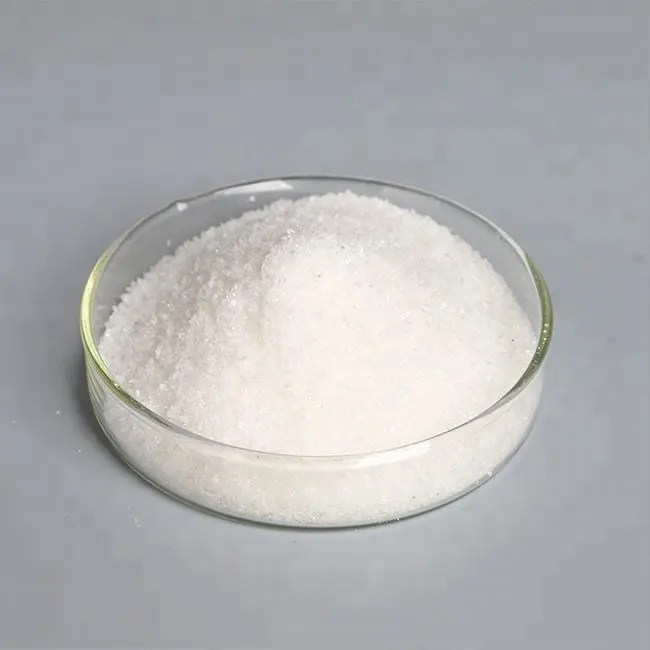
Ensure optimal sludge dewatering with our cationic polyacrylamide powder. As a reliable polyacrylamide manufacturer, we provide consistent, high-grade solutions.
View product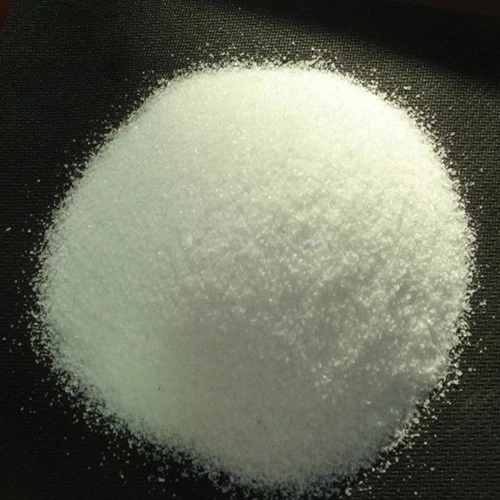
High-performance polyacrylamide polymer engineered for saline water treatment. Sourced from a trusted polyacrylamide manufacturer for industrial efficiency.
View productthe specification table lists three viscosity grades — high, medium and low — supplied as a white powder. which one suits your stream is decided by a jar test on your own effluent, not by picking the highest number on the sheet.
the product page lists 25 kg, 50 kg and 1000 kg bags, with customized packaging available on request. one tonne equals 40 × 25 kg bags or a single 1000 kg bag, so the pack size you choose directly changes handling labour and freight.
lead time is stated as 10–30 days, to be negotiated. the range is wide because it depends on grade and quantity, so confirm your production slot in writing together with the order quantity.
the application field on the product page names the dyeing industry and the aquaculture industry, among others. sludge-dewatering duty is covered by separate cationic grades such as shn-c1492 and shn-c1440 rather than by the general grade.
place of origin is shandong, china, and the brand name is shnchem. the contact address on record is room 926, no.1 building, shidaimeijing, dongchangfu district, liaocheng, shandong, china.
no price or moq is published on the page — it runs on quote requests. send your effluent parameters, volume and preferred pack size to info@shnchem.com or call 86-15069588455 for a grade recommendation and a quotation.
